France
 Austria
 Italy
 Switzerland
 English
 Deutsch
 Nederlands
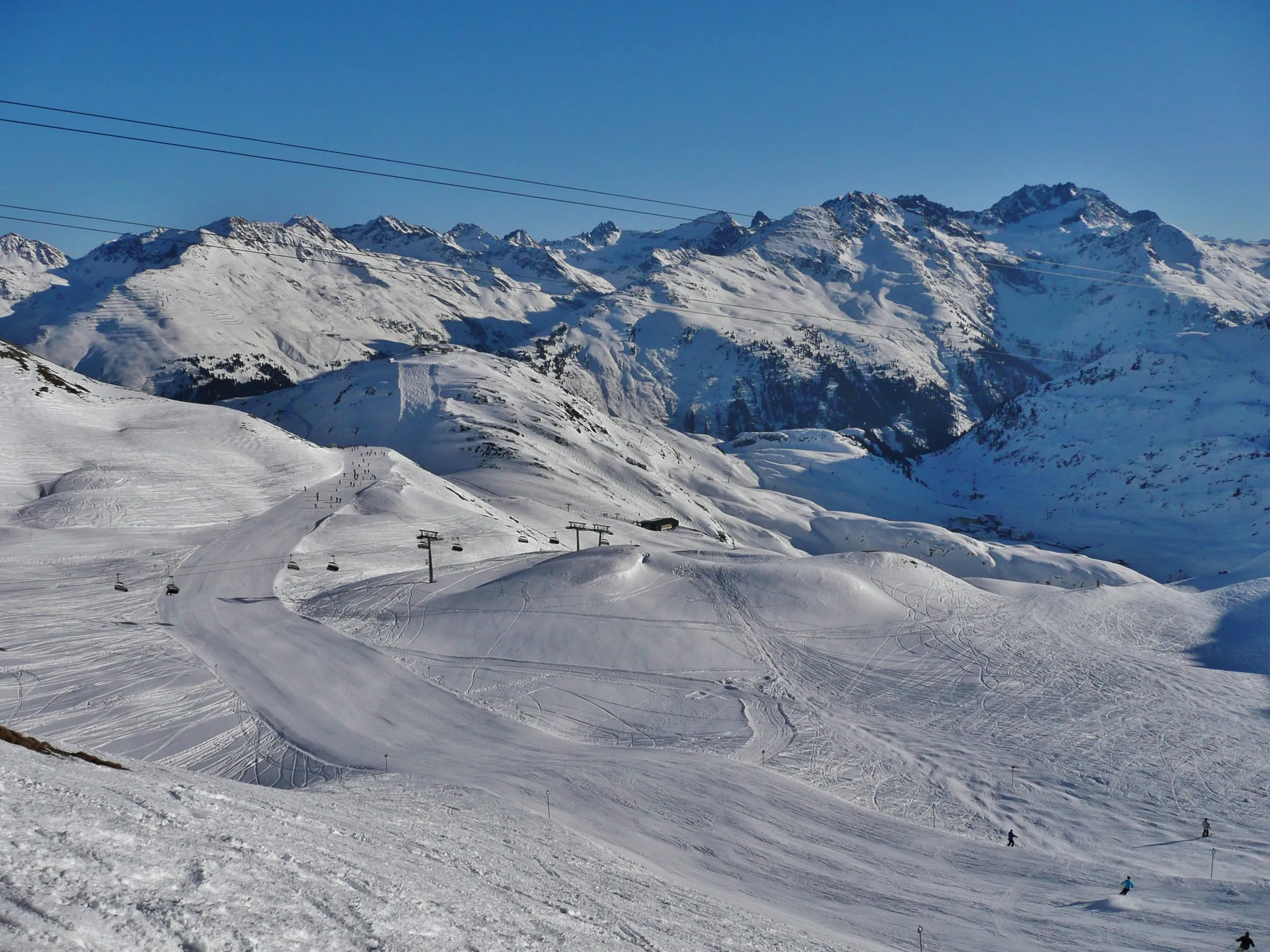
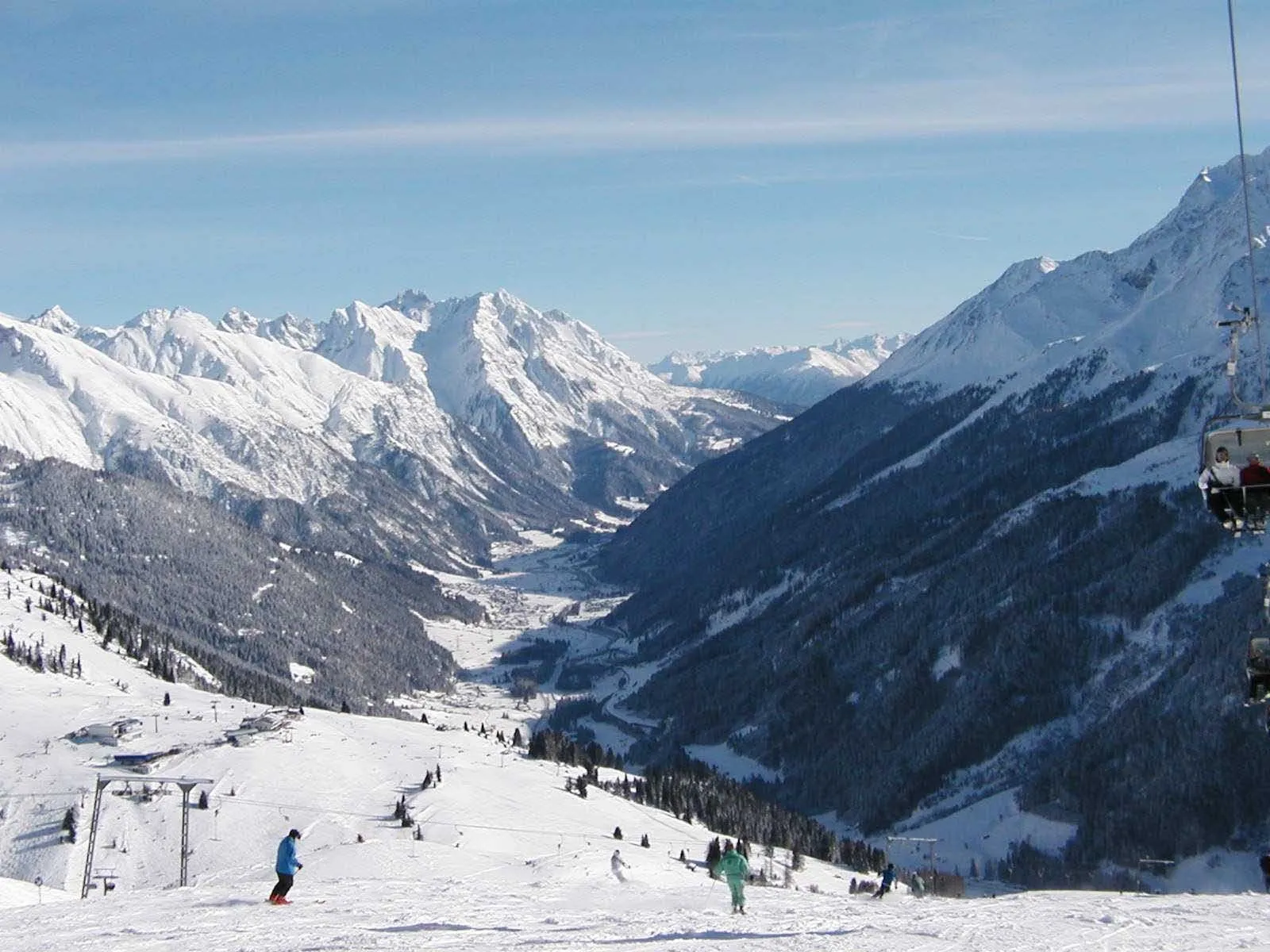
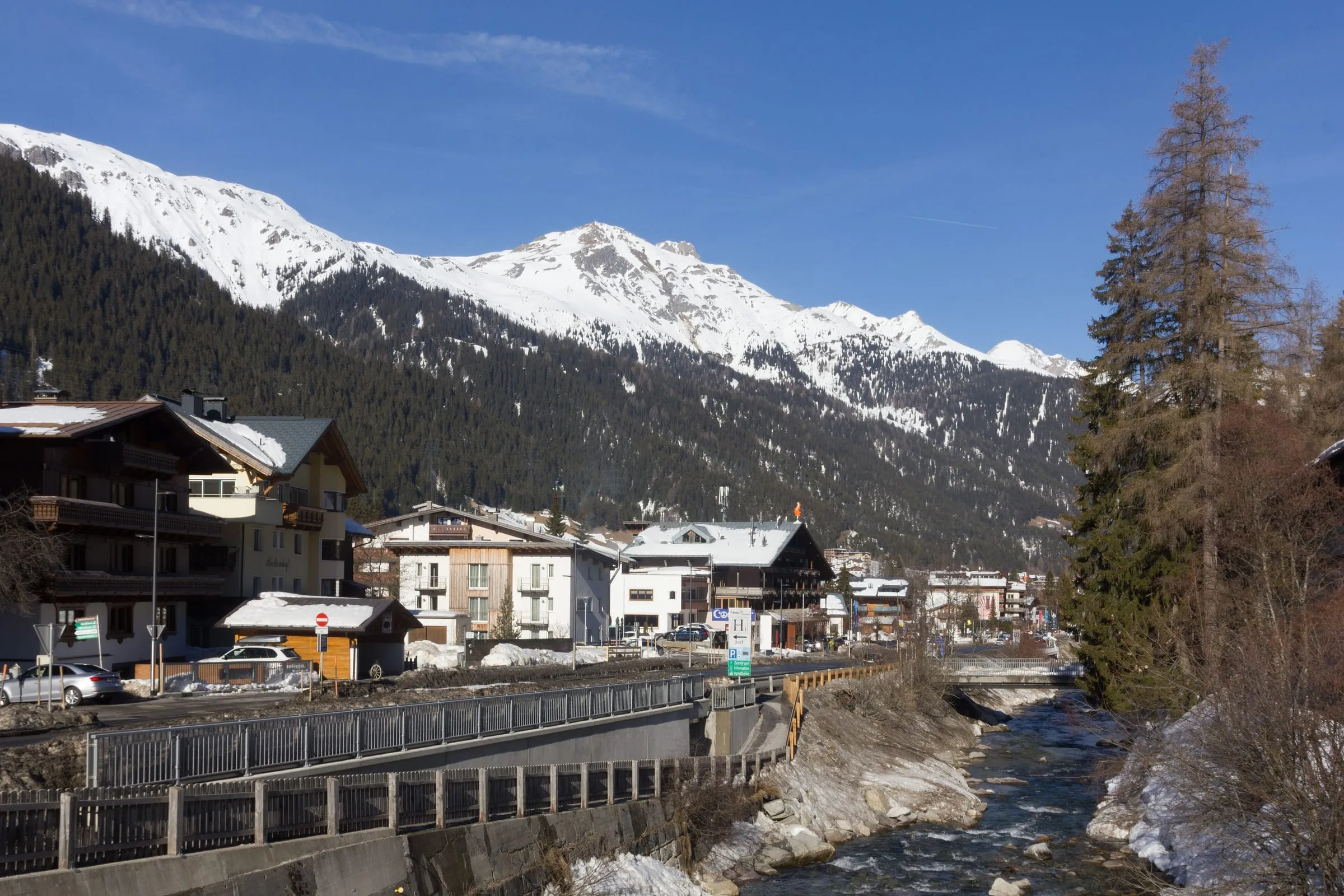
St. Anton am Arlberg is a village in western Tyrol, Austria, and the biggest base for Ski Arlberg, a linked area of about 300 km of marked pistes and around 200 km of off-piste ski routes shared with Lech, Zürs, Stuben and Warth-Schröcken. The village sits at 1,304 m and the lifts climb to the Valluga at 2,811 m. It is the Alps’ classic resort for strong skiers: steep, big and famous for freeride and après-ski, with a mainline railway station in the middle of town.
St. Anton ski area: the heart of the Arlberg circuit
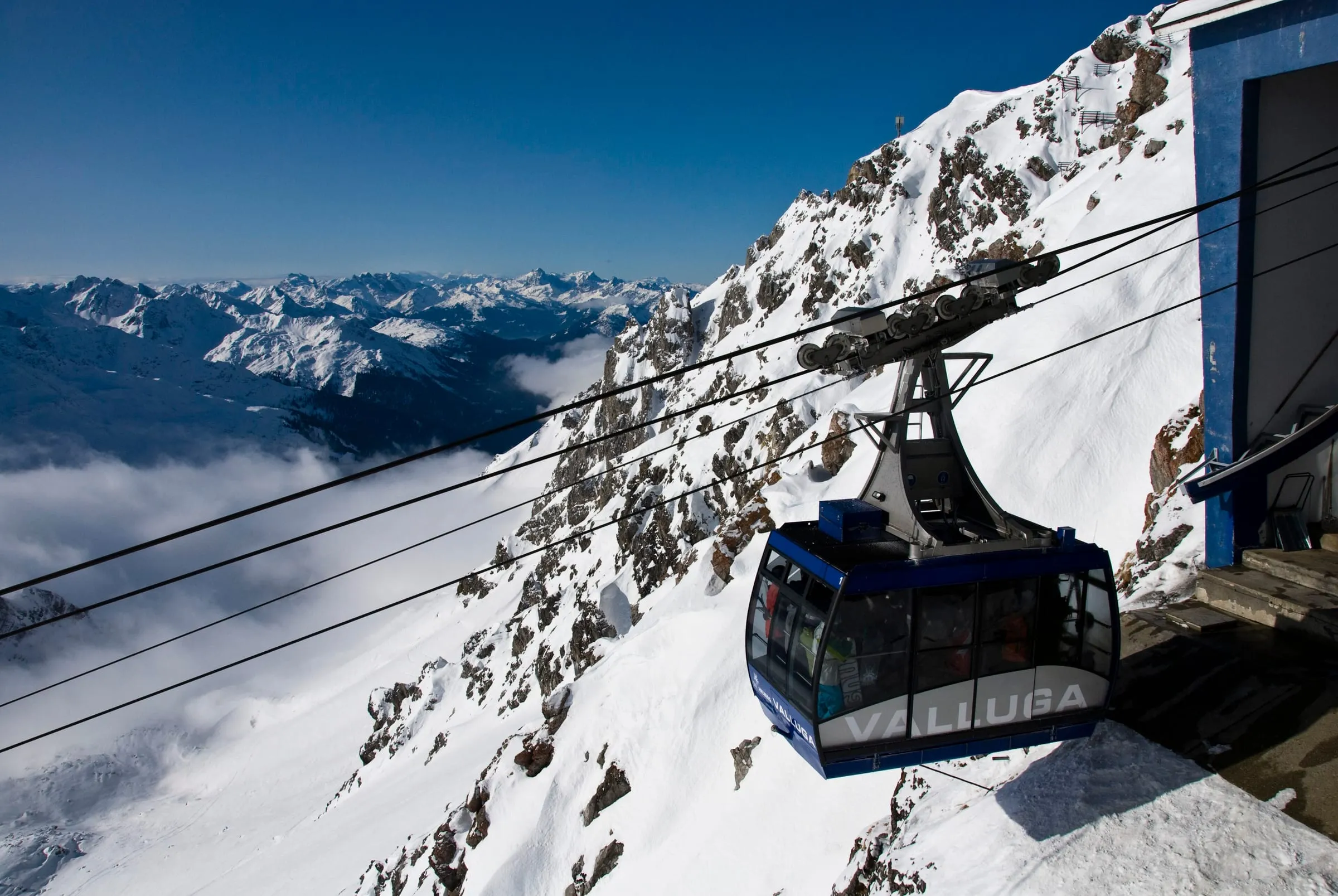
St. Anton’s own slopes split into three sectors. The Galzig is the hub, reached by the Galzigbahn funitel from the village to 2,086 m, with the Valluga cable cars above it, the Schindlergrat gondola beside it and the drop to St. Christoph behind. Across the valley floor, the Gampen (1,850 m) and Kapall (2,328 m) are reached by the Gampenbahn and Kapallbahn chairs from the village, or the Nassereinbahn gondola from Nasserein. On the other side of the valley, the Rendl has its own gondola, starting under 150 m from the Galzigbahn, and a quieter set of north- and west-facing slopes.
Since the Flexenbahn opened in winter 2016/17, you can ski the whole circuit: over to Stuben, across to Zürs and Lech, and on to Warth and Schröcken. Ski Arlberg’s signed Run of Fame strings it together as an 85 km loop with 18,000 m of vertical, which the lift company says a strong skier can finish in one day. Most people should allow two.
Tyrol’s tourist board breaks the marked pistes down as 43% easy, 40% medium and 17% difficult. That sounds friendlier than it skis. The ski routes, the unpisted but marked and avalanche-controlled runs, are what give St. Anton its reputation, and the reds here are often steeper than reds elsewhere.
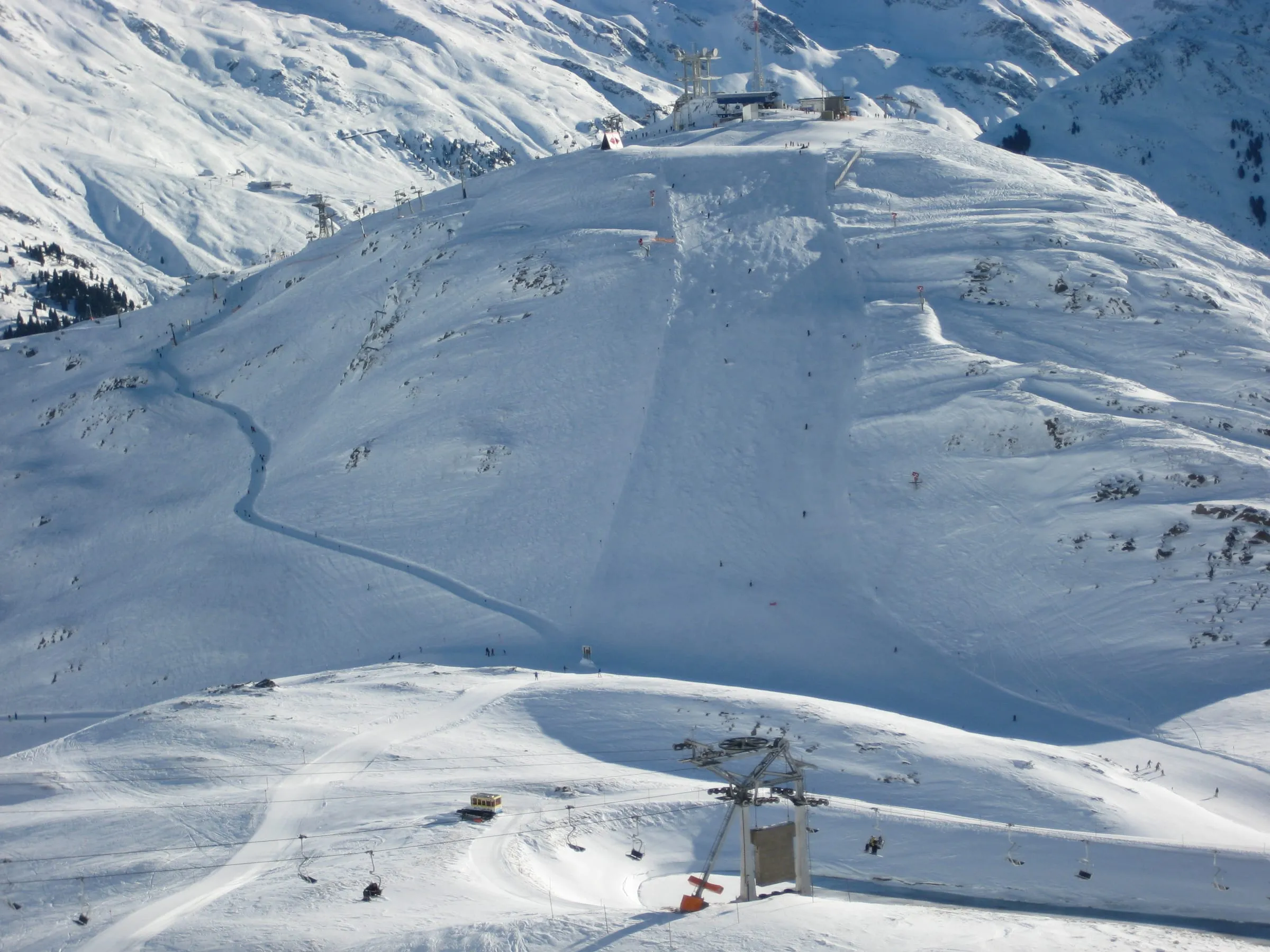
Skiing in St. Anton for beginners, intermediates and experts
Beginners
Learning to ski is perfectly possible here, but it isn’t St. Anton’s strength. The good news is down at village level: Skischule Arlberg runs practice areas with moving carpets in St. Anton and at Nasserein, and there are short practice lifts at Gampen (Übungslift Gampen I and II), Nasserein and St. Christoph. A points-based beginner ticket (€44 for 30 points in 2026/27) lets you pay only for the drags you use. The jump from there to the main mountain is the hard part. If your group is mostly first-timers, Mayrhofen or Kitzbühel will get them to proper runs sooner.
Intermediates
Confident intermediates have plenty. The easy run 64 down to St. Christoph, the long Steissbachtal (55) and Zammermoos (50) runs back to the village, and the Rendl home run (1) give real mileage. The Gampberg runs (6) under the Kapall are good red cruising. The catch is traffic and moguls: by afternoon the main runs into the village get busy and bumpy. Use the Rendl when the Galzig side is crowded.
Experts and freeriders
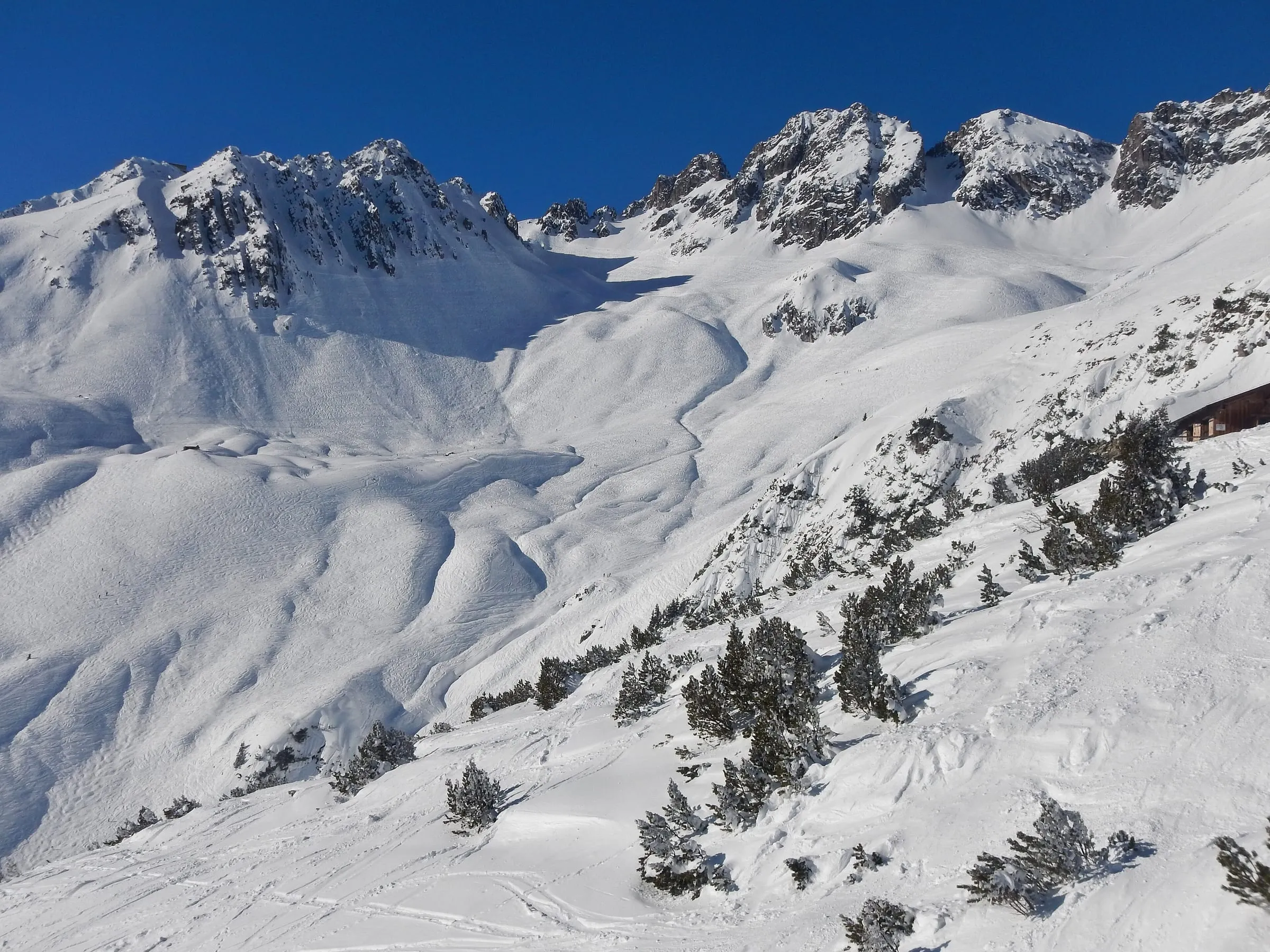
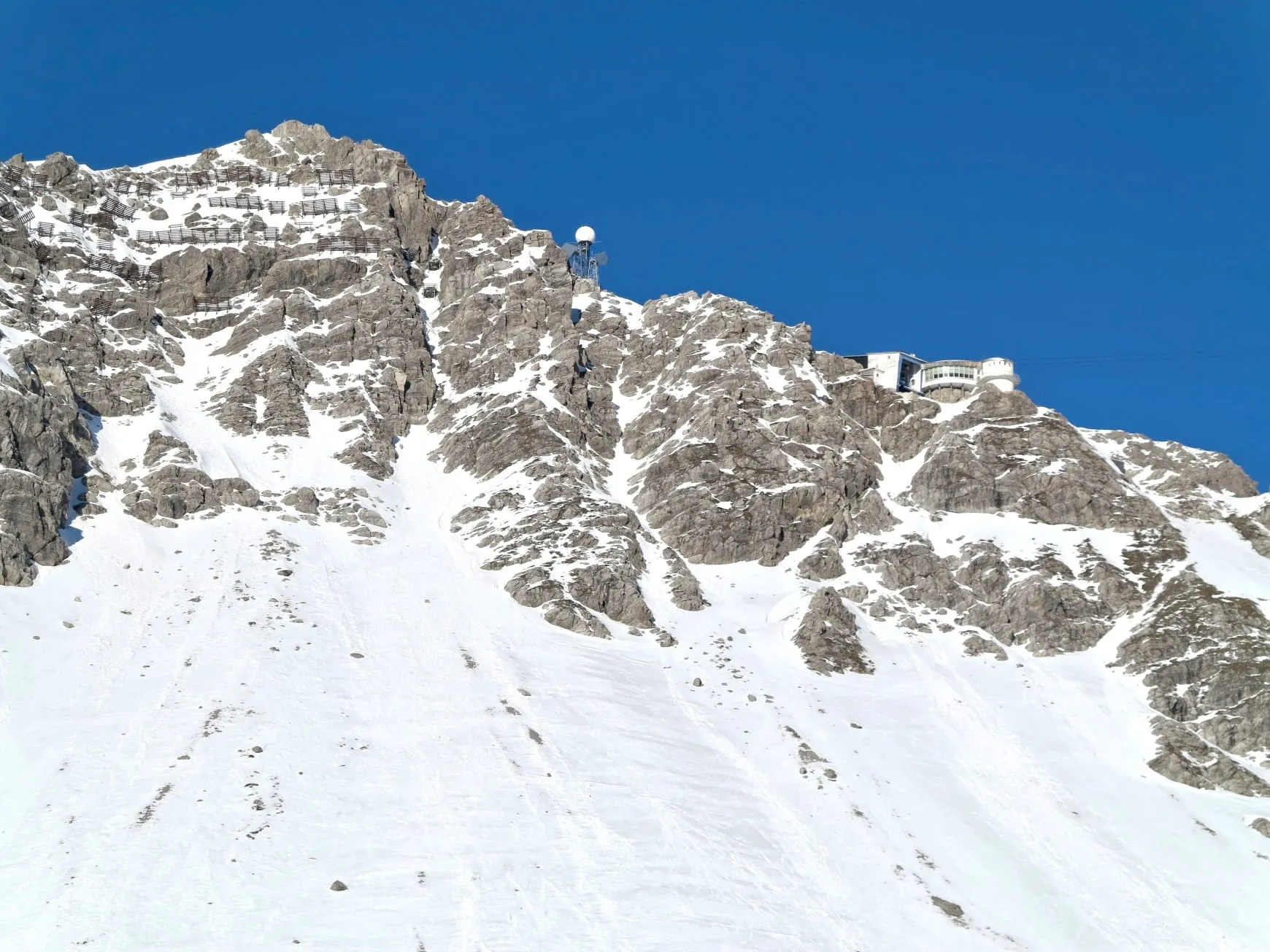
This is why people come. The Kandahar runs (52 from Galzig, 42 from Kapall) and Fang (34) are graded difficult, and the ski routes are the real prize: Mattun (40) off the Valluga and Schindlerkar (86) below the Schindlergrat, Kapall (41), Maass (10) and the Rendl’s Riffelscharte (16). The small Vallugabahn II cabin to the summit is the gateway to serious off-piste; for anything beyond the marked routes, hire a guide. Ski routes are not groomed and some are steep, so read the trail map’s markings before dropping in.
A first day in St. Anton
This route suits a confident intermediate and uses lift and run names from the Arlberger Bergbahnen list.
- Galzigbahn from the village to the Galzig. Warm up on run 64 to St. Christoph, an easy cruise down towards the Arlberg Pass.
- St. Christophbahn back up to the Galzig, then the Schindlergratbahn for the views over the Valluga.
- Down run 78 (Ulmerhütte), then on into the long Steissbachtal (55) towards the village. The easy Zammermoos (50) is the alternative home if your legs are going.
- After lunch, switch sides: the Gampenbahn chair to Gampen, then the Kapallbahn to 2,328 m.
- Strong skiers try the Kandahar–Kapall (42); everyone else takes the Gampberg (6) runs and loops on the Gampbergbahn.
- Finish down run 33 to Nasserein or 29 into St. Anton, ideally before the 4pm rush on the home slopes.
Day two? Spend it on the Rendl, or set off for Zürs and Lech on the Valfagehrbahn and Flexenbahn and keep an eye on the connecting lifts’ closing times.
Snow in St. Anton: how reliable is it?
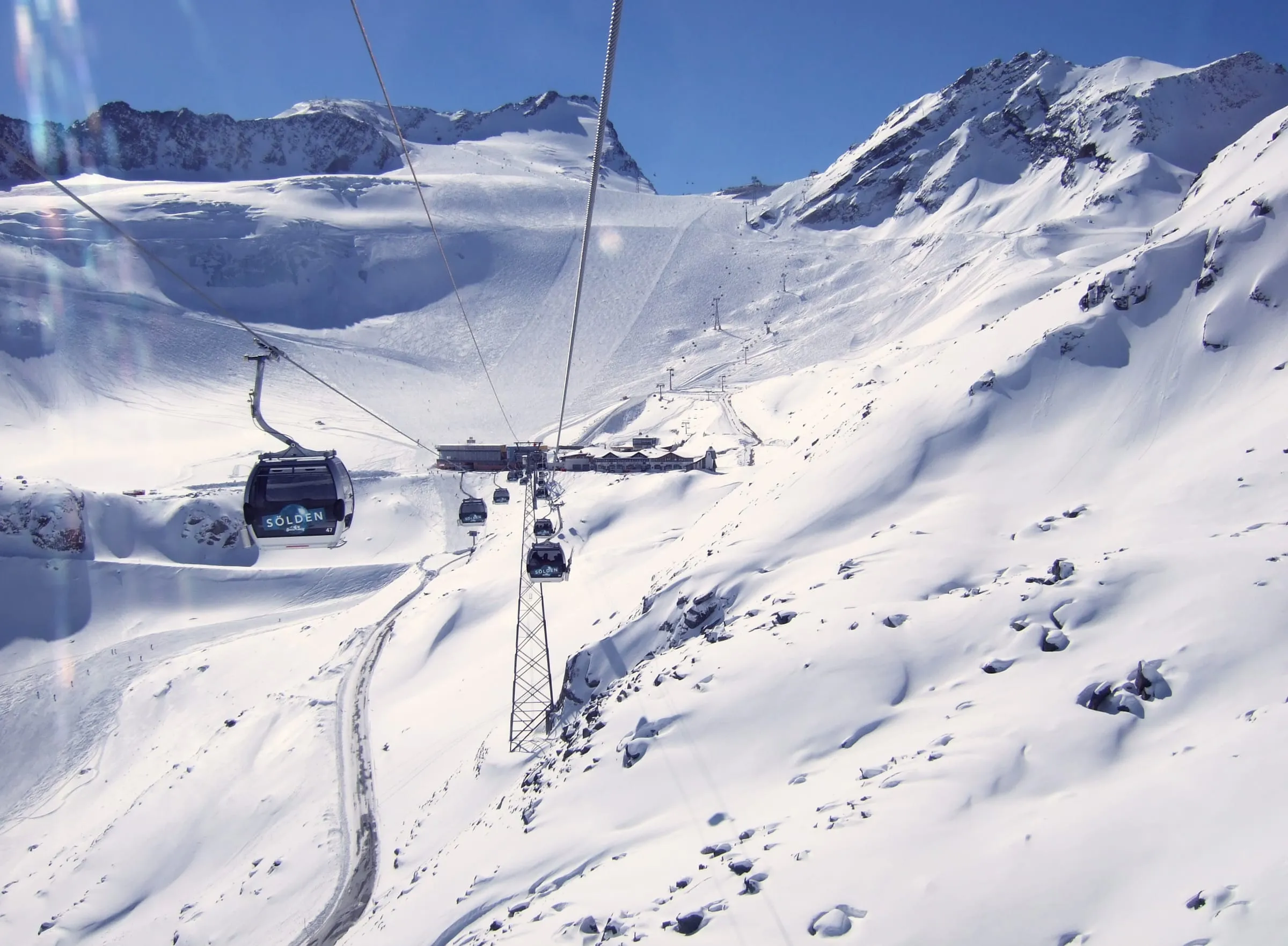
Reliable for most of the season, with two caveats. The village is low at 1,304 m, so the runs home depend on snowmaking in a thin winter or a warm spring. The tourist office says 88% of the pistes can be covered by snow cannons, and the snow groomers measure depth by GPS. Higher up, the Galzig (2,086 m), Kapall (2,328 m) and Valluga (2,811 m) hold snow far better than the village. There is no glacier, so a late-April trip is more of a gamble than one to a glacier resort such as Sölden.
For 2026/27, Ski Arlberg opens St. Anton, St. Christoph and Stuben on 2 December 2026 and closes on 18 April 2027, with limited operation possible at both ends. The Stanton Ski Open festival runs from 4 to 6 December 2026.
Is St. Anton good for a last-minute ski trip?
Yes, if you’re flexible on where you sleep. The lift pass’s high season runs from 19 December to 2 April, and the early-December and April “Wedel” and “sun ski” weeks are cheaper on the lifts. The weeks that fill first are Christmas, New Year and the February school holidays. In those weeks, the slopeside hotels sell out early; looking further out, to Nasserein, St. Jakob or across the pass in Stuben, gives you more choice. In January and March, last-minute rooms are much easier to find.
If the forecast looks poor, St. Anton is still a good bet: the higher Galzig and Kapall sectors keep skiing when the village runs are thin, and the Rendl’s north-facing slopes hold cold snow. If it is wind that worries you, the Valluga cable cars are the most exposed lifts on the mountain, so expect them to be the first to stop in a storm; the Rendl gondola and the chairs lower down are more sheltered.
St. Anton lift passes
The Ski Arlberg pass is the only real choice: it covers St. Anton, St. Christoph and Stuben, Lech, Oberlech and Zürs, Warth-Schröcken and the Sonnenkopf at Klösterle.
| Ski Arlberg 2026/27 (provisional) | Main season | Low season |
|---|---|---|
| Adult, 1 day | €85 | €80.50 |
| Adult, 6 days | €468 | €395 |
| Child (born 2011–2018), 6 days | €276 | €226 |
| Youth (born 2007–2010), 6 days | €405 | €337 |
| Snowman (born 2019 or later) | €11 for a day or the season | €11 |
Main season is 19 December 2026 to 2 April 2027; low season covers 2 to 18 December 2026 and 3 to 18 April 2027. The operator marks the prices as provisional (as of August 2026), and final prices apply at the time of purchase. A half day from noon is €65 for adults, and the beginner ticket is €48.50 a day.
Après-ski and things to do in St. Anton
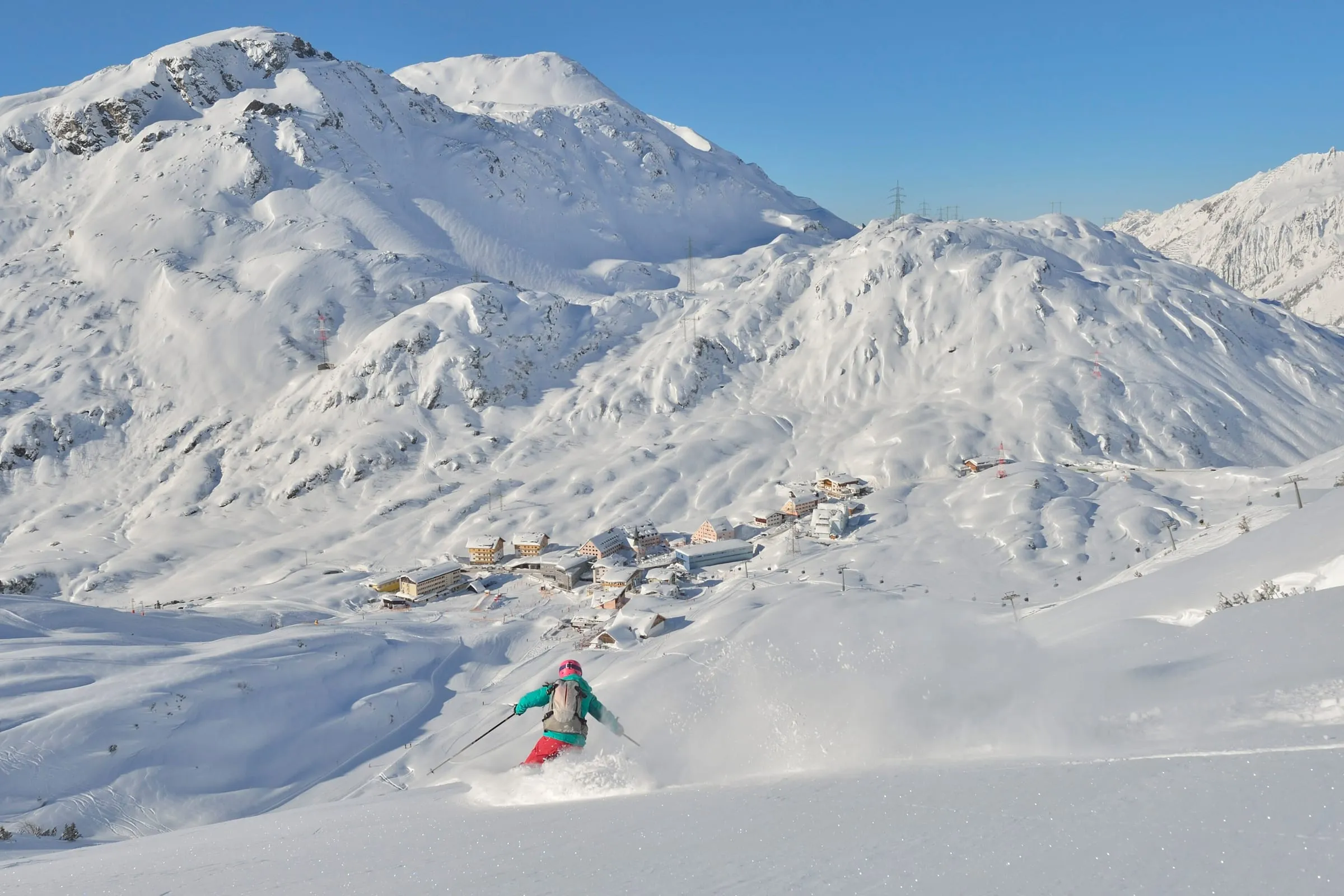
St. Anton’s après is among the liveliest in the Alps, and it starts on the mountain. The MooserWirt, on the home run above the Galzigbahn, is the famous one; it sits beside the Mooser hotel. Other huts on the runs home fill up from mid-afternoon. Remember that you still have to ski down afterwards.
Off the slopes, the tourist office lists toboggan runs, ice rinks for skating and curling, horse-sleigh rides, 43 km of cross-country trails and more than 80 km of winter walking paths. The arl.park sports centre has climbing and bouldering, and there’s a trampoline hall. The Ski Arlberg season closes with the Weisser Rausch, a mass downhill race from the Vallugagrat that took 555 racers down 7.5 km in April 2026.
Who St. Anton suits, and who it doesn’t
St. Anton suits strong skiers, freeriders and groups of friends who want serious terrain and nights out. It also suits anyone coming by train. If you’re torn between St. Anton and Ischgl, both do big après, but St. Anton’s terrain is steeper and its off-piste reputation is in a different league. Against Val d’Isère or Chamonix, you trade altitude for an easier journey and a real village.
It suits nervous intermediates and families with very young beginners less well. They can have a fine week, but Kitzbühel or Sölden may be easier mountains. Read our St. Anton with kids page before booking a family trip, and where to stay in St. Anton for the best base for your group.
How to get to St. Anton
By plane and transfer
Innsbruck and St. Gallen-Altenrhein are each about 100 km away, Friedrichshafen about 130 km, Memmingen about 170 km and Zurich about 200 km. Munich is roughly 190 to 260 km away, depending on the route. Zurich has the most flights and the Arlberg Express, a shuttle bus that runs from the airport to St. Anton, St. Christoph, Lech, Zürs and Stuben on five winter lines. Book it online until 24 hours before departure. Arlberg Express also runs taxi transfers.
By train
St. Anton’s station is in the village centre, and the railjet and EuroCity trains on the Arlberg line stop there, so you can step off the train and walk to the lifts. From Zurich the fastest direct trains take about two and a half hours, according to timetable sites; check ÖBB or SBB for the current winter timetable. Railjets also link St. Anton with Innsbruck.
By car
Coming from Innsbruck or Germany, you follow the Inn valley motorway to Landeck and then the S16 to St. Anton; Austrian motorways need a vignette. From Switzerland or Vorarlberg you reach the Arlberg from Bludenz and either pay the Arlberg road tunnel toll (€13 for a car, a single route ticket per ASFINAG) or take the pass road over St. Christoph. From 1 November to 15 April, winter tyres are required in wintry conditions, and snow chains when the road is covered in snow, slush or ice. Once you arrive, the free ski bus serves 37 stops between St. Jakob and the village.